Apple Raises iPhone Duo Shipment Target to 14 Million Units
Supply chain data indicates the tech giant significantly increased production quotas after initial delivery delays signaled intense consumer interest rather than logistical failure.
By Mariana Delgado ·
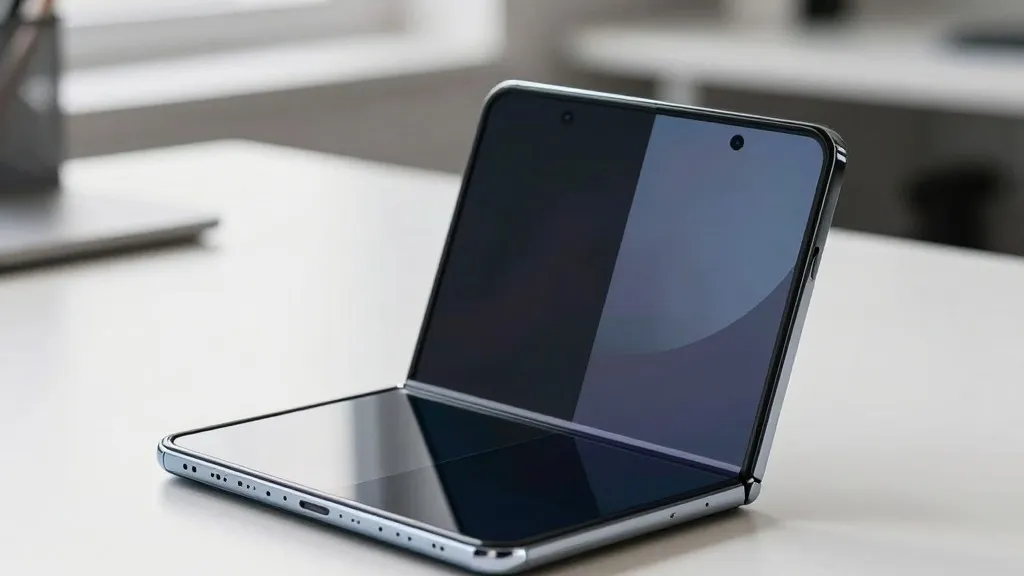
A major upward revision in production targets suggests Apple’s new folding smartphone is outpacing initial forecasts. The move underscores a shift in strategy as the company attempts to satisfy a market that has shown unusual enthusiasm for the Duo model.
According to supply chain reports, Apple has increased its order targets for the iPhone Duo by more than 40 percent. The new shipment goal stands at 14 million units over the first twelve months, a significant jump from the previous estimate of 9.7 million. This adjustment follows pre-orders that opened on Friday, where customers quickly faced extended delivery windows. Some users were told to expect their devices as late as late January. While Apple attributed these delays to what it called “extraordinary” demand, skeptics noted that the company frequently employs this phrasing for new product launches. To mitigate potential resale issues, the company limited purchases to a maximum of two units per customer.
The initial confusion over whether the delays stemmed from high demand or poor supply management has largely resolved in favor of the former. As anticipated, some early buyers have since received updated shipping dates that are considerably earlier than their original estimates. This shift aligns with the reported production ramp-up, indicating that the supply chain is now responding to the surge in orders. The consistency in these revised dates suggests a deliberate effort to balance inventory with the current level of consumer interest.
Early adopters are already navigating the practical realities of the new hardware. Third-party applications have not yet been fully optimized for the device, creating friction in daily use. However, Apple maintains that the situation is improving rapidly as developers integrate their software with the new platform. Initial reviews from users who have had the device for a week point to app support as one of five key areas of concern, alongside other functional aspects.
One notable point of criticism in those early reviews is the reliance on Touch ID, which some see as a step backward from previous models. This has prompted speculation about future iterations. Recent reports indicate that Apple is already testing prototypes for the iPhone Duo 2 that incorporate Face ID, suggesting the company is aware of the user feedback and is moving quickly to address it.
As the production lines accelerate, the focus now shifts to whether Apple can sustain this level of output without introducing new bottlenecks. The next few weeks will reveal if the revised targets are realistic or if further adjustments are needed to keep pace with the sustained demand.
Source: 9to5Mac