Israel's election ends without a clear winner, setting up tense coalition talks
No faction won a majority in the 120-seat Knesset, forcing leaders to negotiate alliances or face new votes.
By Isabella Melnyk ·
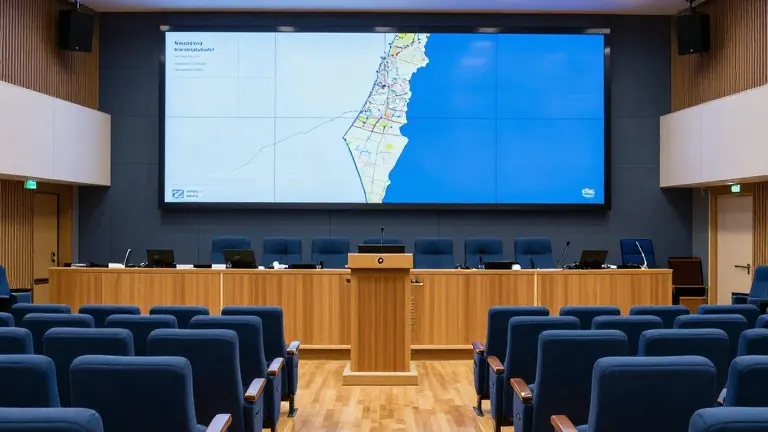
Israeli voters cast their ballots this week, but the results leave the country without a definitive prime ministerial winner. The count determines the makeup of the 120-member Knesset, yet no single camp secured the 61 seats needed to form a government on their own.
The two main contenders face difficult paths forward. Prime Minister Benjamin Netanyahu and his rival, former military chief Gadi Eisenkot, both failed to command a majority. The balance of power now rests largely with Arab-led parties, which won a historic 19 seats. These groups can tip the scales for either side if they agree to join a coalition or support a minority government.
Eisenkot’s most straightforward option is to ally with the Arab-led parties. Together, they could form a solid 67-seat majority. However, this arrangement carries political risk for Eisenkot and his Jewish allies. Israel’s Arab citizens, who make up 20% of the population, have close ties to Palestinians in the West Bank and Gaza. Many Jewish Israelis view them with suspicion, and Netanyahu has already framed such an alliance as a national security threat.
An alternative scenario involves a unity government where Netanyahu and Eisenkot join forces. This arrangement could also yield a 67-seat majority, sending ultranationalist and ultra-Orthodox factions to the opposition. While this bloc could address issues like military exemptions and the economy, it would require Eisenkot to break his promise not to serve with Netanyahu. Opposition voters have demanded an inquiry into the Oct. 7, 2023 attack, which Netanyahu’s government is unlikely to approve.
Netanyahu may also attempt to poach defectors from the opposition bloc. He could try to lure right-wing leaders like Naftali Bennett or Avigdor Lieberman, who support nationalist policies and may struggle to partner with Arab parties. Both men have vowed not to work with Netanyahu, though personal clashes have defined their relationship for years. Eisenkot has fewer options for poaching, as Netanyahu’s right-wing and ultra-Orthodox allies have remained fiercely loyal.
If negotiations fail, Israel faces new elections early next year. Netanyahu’s current government would remain in a caretaker role until then. A repeat vote could hurt Eisenkot’s supporters, who relied on tens of thousands of Israelis flying in from abroad to vote. Netanyahu would gain time to shore up his position, as smaller right-wing parties that failed to enter parliament may not run again, potentially strengthening his camp. Israel experienced a similar stalemate in 2019, which led to five elections in three and a half years.
Source: KPRC-TV