NASA officials fear Starship may need 22 launches for Moon missions
New internal estimates suggest the rocket requires far more refueling flights than previously hoped to support Artemis goals.
By Alexei Petit ·
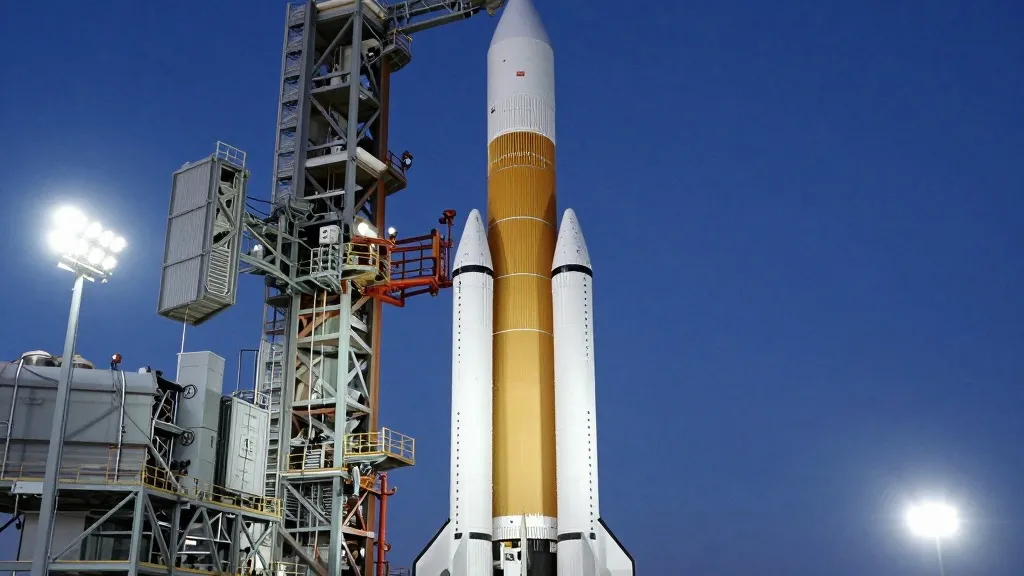
A new internal estimate suggests that SpaceX’s Starship rocket may require as many as 22 launches to fuel a single lunar mission.
This figure emerged during a recent quarterly meeting of the NASA Aerospace Safety Advisory Panel. Panel member Charlie Precourt, a former astronaut, discussed the risks associated with the Artemis Program and the specific challenges of landing humans on the Moon. The discussion highlighted a shift in the agency’s outlook regarding the feasibility of using the heavy-lift vehicle for this decade’s goals.
NASA has historically been cautious about sharing precise numbers regarding the logistical requirements for the Artemis program. The agency has often guarded this specific metric with intense secrecy. In the past, officials described the required number of launches as a moving target. When pressed for details in 2023, Lisa Watson-Morgan, who was then the director of NASA’s Human Landing System, stated that the agency had a general idea but was reluctant to specify an exact number.
Earlier estimates suggested the number would fall in the high single digits to low double digits. This range implied roughly a dozen launches would be necessary. Under that scenario, SpaceX would launch one depot Starship to low-Earth orbit. Subsequent tanker Starships would then ferry liquid oxygen and methane propellant to that depot. A total of eleven tanker flights would be needed to fully load the depot for the lunar voyage. Other officials at the time cited figures in the high teens, indicating even more uncertainty.
The primary hope for reducing these numbers was that SpaceX would dramatically increase the lift capacity of the Starship rocket. Higher capacity would mean fewer tanker flights required to fill the orbital depot. However, concerns are growing among some NASA officials that this improvement may not arrive soon enough. There is a fear that the timeline for increased lift capacity does not align with the agency’s goal of returning humans to the Moon this decade.
The new estimate of 22 launches represents a significant increase from previous projections. If accurate, this higher number places a heavier burden on the launch schedule. It also increases the complexity of operations in low-Earth orbit. Each additional launch carries its own set of risks and logistical challenges. The safety panel’s focus on these risks underscores the importance of having a reliable and efficient launch cadence.
The Artemis program relies heavily on the success of the Starship-based lunar lander. The lander must be fueled in orbit before it can travel to the Moon, land, and return. This process requires a large amount of propellant. The number of launches required to deliver that propellant is a critical metric for mission planning. A higher number of launches could impact the overall timeline and cost of the program.
Charlie Precourt’s remarks at the safety panel meeting provided a formal context for these concerns. The panel’s role is to advise NASA on safety matters, and their discussions often influence internal agency decisions. The fact that the number 22 has surfaced in this setting suggests it is being taken seriously in risk assessments. It may also serve as a baseline for future planning and budget discussions.
NASA has not yet issued a formal statement confirming the new estimate. However, the emergence of this number from a high-level safety panel indicates a shift in the agency’s internal calculations. As the Artemis program moves forward, the number of required launches will remain a key factor in determining the mission’s viability. Stakeholders will be watching closely to see if SpaceX can achieve the performance gains needed to lower this number in the coming years.
For now, the figure of 22 serves as a warning sign for the program’s timeline. It highlights the technical challenges that still need to be overcome. The next few months will be crucial as NASA and SpaceX continue to refine their plans. Any updates on Starship’s performance or the Artemis schedule will provide further clarity on whether this new estimate holds or if further adjustments are needed.
Source: Ars Technica · original report published