EPA Proposes Scrapping Methane Rule to Save Industry Billions
The agency aims to repeal the Methane Super Emitter Program and relax standards for marginal wells, a move that could reduce federal oversight of major leaks starting next year.
By Alexei Petit ·
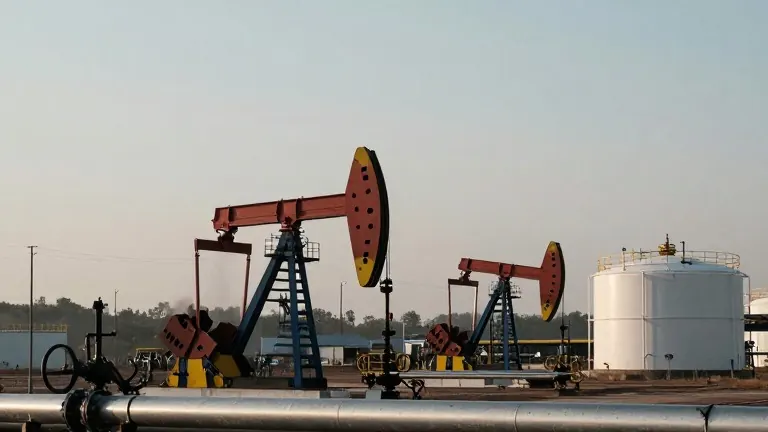
The Trump administration has proposed repealing a key component of the 2023 methane regulation, a move designed to cut compliance costs for the oil and gas sector. The proposal targets the "Methane Super Emitter Program," which was scheduled to begin operations in January 2027. By removing this rule, the Environmental Protection Agency seeks to reduce the regulatory burden on drilling sites across the United States. EPA Administrator Lee Zeldin stated that the revision would save the industry billions of dollars in production costs.
President Trump announced the initiative on Tuesday while campaigning in Lubbock, Texas. He framed the policy change as a necessary correction to previous administration policies. Zeldin described the prior rules as "destructive" to the sector, noting that they targeted millions of workers and businesses. The administration argues that the new approach will spur domestic drilling and provide greater certainty to companies. This timing coincides with Republican efforts to address voter concerns about high gas prices ahead of the midterm elections.
The 2023 rule was finalized under President Biden to limit methane emissions from the oil and gas sector. Methane is a potent greenhouse gas, estimated to be 80 times more effective at warming the planet than carbon dioxide over a 20-year period. The previous regulations required companies to monitor and reduce leaks at drilling sites. The industry, including the American Petroleum Institute, had vigorously opposed these requirements. Dustin Meyer, the institute's vice president, said the new proposal offers a "more workable approach" that supports American energy production.
One of the most consequential parts of the rollback involves the detection of large leaks. Under the proposed changes, the government would lose the ability to rely on certified third parties for monitoring. The Methane Super Emitter Program would have allowed private and nonprofit satellite groups to report massive leaks to regulators. Paasha Mahdavi, a political science professor at UC Santa Barbara, explained that this external help is essential because methane is invisible and difficult to detect. Without the program, the government will face greater challenges in identifying and prosecuting facilities that are emitting large volumes of the gas.
The proposal also loosens standards for "marginal" oil wells. These are low-volume wells considered "marginally economic" because they generate limited profit. Environmental Defense Fund associate vice president Jon Goldstein argued that these wells are not minor contributors to pollution. He noted that satellite data shows these aging, end-of-life wells are responsible for the majority of methane pollution from the production sector. Goldstein contended that capturing more natural gas from these sources would actually benefit companies by providing more product to sell, thereby offsetting the costs of compliance.
Zeldin and the administration maintain that the previous rules forced companies to waste resources on regulations that did not account for the value of the captured gas. Goldstein countered that the new approach is harmful to energy security. He stated that taxpayers lose out on royalty and tax revenue when gas is allowed to leak or flare instead of being collected. The trade-off is between immediate regulatory relief for producers and the long-term management of a potent greenhouse gas.
The EPA has not yet finalized the rule changes. The agency plans to publish the proposed revisions in the Federal Register. Once published, a public comment period of at least 45 days will open. This period will include a public hearing where stakeholders can submit feedback. The final decision on the regulations will depend on the agency's review of these comments and the formal rulemaking process.
The industry sees the rollback as a step toward regulatory stability. Meyer emphasized that the new framework advances continued emissions reductions while supporting production. The administration believes the changes will lower barriers to entry for smaller operators. Conversely, environmental groups argue the move ignores the economic incentives for capturing leaked gas. The Federal Register publication will set the timeline for the next phase of the debate.
Source: KGOU
More Business · Business Complaints · Report a business · Got a Story?