Huang Showcases Microduck Robots, Driving Preorders Past 20,000
Nvidia CEO Jensen Huang demonstrated the Microduck robots at a recent event, sparking immediate and massive consumer interest in the open-source devices.
By Isabella Melnyk ·
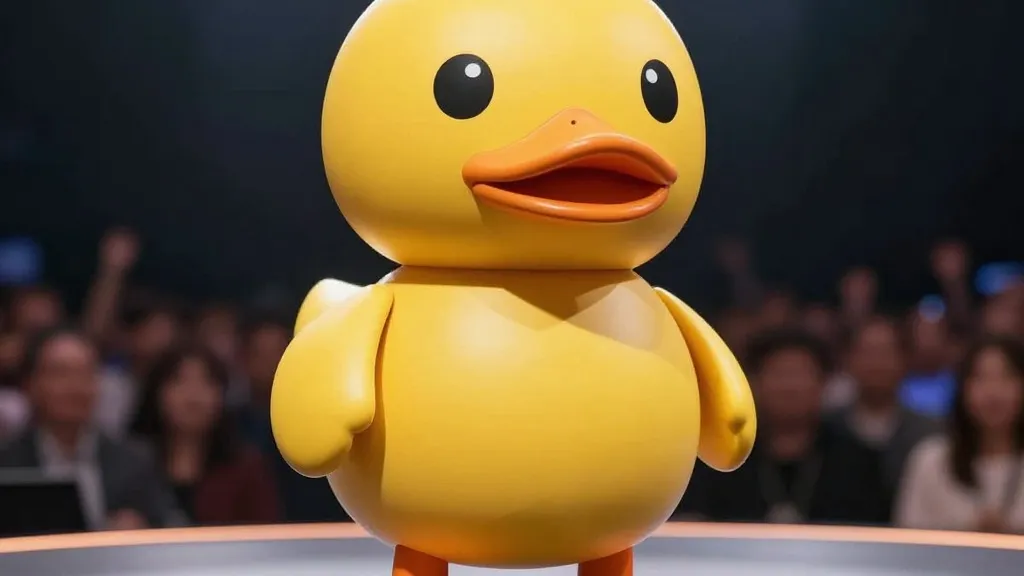
Nvidia CEO Jensen Huang recently demonstrated a flock of Microduck robots during a keynote presentation, an event that quickly translated into significant commercial interest. According to Hugging Face CEO Clem Delangue, preorders for the device surpassed 20,000 units by the day following the presentation. The rapid sales figures suggest a strong immediate appetite for the hardware, positioning it as a potential contender for the holiday season's most sought-after gadget.
Huang's demonstration took place at the GTC Berlin conference, where he engaged with the small, waddling robots. The devices were shown responding to commands by performing actions such as sitting, standing, and falling asleep. They also produced sound effects described as resembling those of R2-D2. The viral spread of the video showing this interaction appears to have been a primary driver for the subsequent surge in preorders.
The commercial potential of the Microducks extends beyond the current preorder figures. Delivery timelines for these units are scheduled for the holiday season, raising the possibility that they could become a popular consumer product for Christmas. Delangue has suggested the device could potentially become the best-selling robot of the year, a projection that includes adult consumers, as promotional materials feature adults interacting with the units alongside children.
The development and distribution of the Microducks involves a complex corporate structure. The robots are produced by Pollen Robotics, a company acquired by Hugging Face in 2025. Hugging Face itself was subsequently acquired by Nvidia in September. Consequently, the Microducks are now part of Nvidia's corporate portfolio, following the release of an earlier robot model, the Reachy Mini, also developed by Hugging Face.
Technically, the Microducks are open-source devices. Their initial programming involves basic movements such as walking and standing, which were trained using Nvidia's technology stack. Pollen Robotics has indicated that the hardware allows owners to train the robots to perform new tricks, which can then be shared with the wider community. This capability for user-generated content and community sharing distinguishes the product from standard closed-system toys.
The popularity of the Microducks arrives during a period of scrutiny for the artificial intelligence industry regarding security. While recent news cycles have focused on cyberattacks involving AI, the release of the Microduck video offers a different perspective on the technology's application. The viral nature of the content and the immediate preorder volume indicate a strong consumer interest in tangible, interactive AI hardware.
Source: TechCrunch · original report published