UN diplomats clash before annual Cuba embargo vote
Tensions between Washington and Havana escalated on Tuesday as the U.N. General Assembly prepares to vote on a nonbinding resolution condemning the U.S. trade ban.
By Isabella Melnyk ·
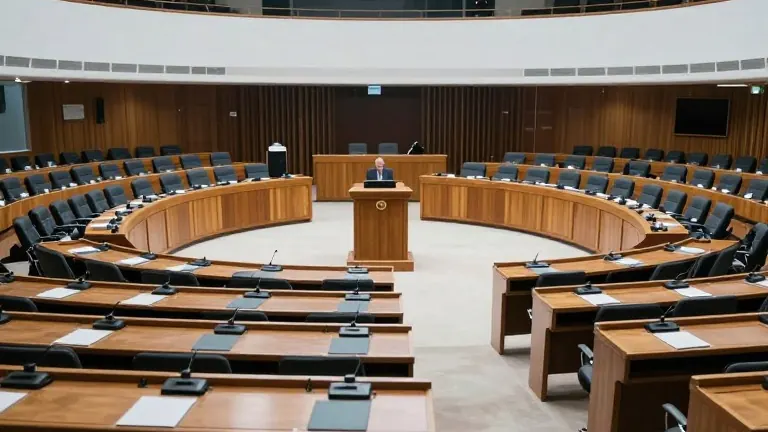
The United Nations will vote Wednesday on a resolution condemning the decades-old U.S. economic embargo on Cuba.
The annual measure has been submitted to the General Assembly for 34 consecutive years and has historically received strong support. Last year, the vote recorded 165 in favor, seven against, and 12 abstentions. While another large margin is expected this year, officials are watching whether the current administration’s active efforts to sway the vote will increase opposition or abstentions from key Western allies. Although the resolution is not legally binding, it serves as a record of global opinion.
The diplomatic friction peaked on Tuesday during a debate on the floor of the General Assembly. U.S. Ambassador Mike Waltz and Cuban Foreign Minister Bruno Rodríguez engaged in a loud confrontation. Rodríguez approached the podium while Waltz was speaking and accused the American envoy of lying. Rodríguez sought a point of order from the session presiding officer. Waltz responded by telling security staff to move the Cuban minister away from the microphone. He stated, “This individual needs to back away from this podium. He’s not going to intimidate me in the United States of America.” Waltz added, “You understand who you’re dealing with? This is America. Back up.”
Rodríguez later posted on X that he was addressing the U.N. General Assembly, not a White House meeting. He described the U.S. approach as a “desperate attempt to justify its economic aggression against Cuba and its criminal energy blockade.” A similar dispute occurred a week earlier outside a U.S.-hosted panel featuring Cuban dissidents and former prisoners, involving Waltz and Cuban diplomat Ernesto Soberón Guzmán. These exchanges mark a shift from standard diplomatic protocol at the U.N.
The conflict arises as Cuba faces severe financial strain. In late January, President Donald Trump announced tariffs on nations that sell oil to Cuba. This move has effectively halted fuel imports to the island, causing widespread power outages that disrupt cooking, water supply, and telecommunications. Last week, Trump suggested U.S. warships returning from the Iran war could stop in Cuban waters, further raising the threat of military involvement.
The U.S. embargo was first imposed in 1960 following the revolution led by Fidel Castro. The new government nationalized property owned by U.S. citizens and corporations. The vote scheduled for Wednesday will determine the current state of international consensus on the trade barrier.
The U.N. General Assembly is scheduled to conduct the vote on Wednesday.
Source: KSAT-TV