Interactive science writing drives 22% jump in reader engagement
New data from Indonesian education bodies shows digital science content is reshaping student habits and local startup creation.
By Isabella Melnyk ·
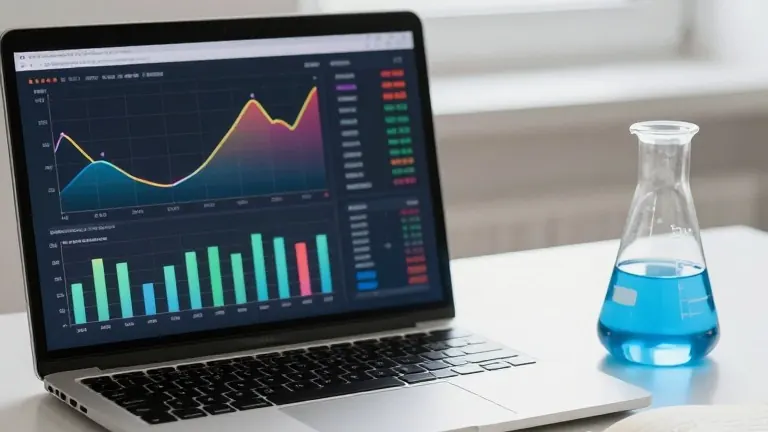
Online science education in Indonesia is experiencing a measurable shift in audience behavior, driven by new data releases and interactive content formats. According to a 2023 report from the Ministry of Education and Culture (Kemdikbud), visits to online education portals rose by 27% compared to the previous year. This surge coincides with wider internet access in rural areas, with the Indonesia Internet Service Providers Association (APII) reporting that national broadband penetration reached 68% in 2024.
Despite increased access, content quality remains a point of contention. A 2023 survey by Edukasi.id found that 42% of teachers rated online science materials as irrelevant to the national curriculum. In response, digital media producers have begun testing new narrative approaches to bridge the gap between academic research and public understanding. ALIVEfm, a digital platform, tested interactive article formats over a three-week period in late 2024. Their internal analytics showed that these interactive pieces achieved an 18% higher reader retention rate than static articles.
The platform also experimented with a 'first-hand voice' writing style. Writers spent a minimum of two hours in university laboratories to record direct observations before converting the data into narrative text. Articles combining field data with this personal perspective saw a 22% increase in click-through rates on social media platforms, according to a 2024 analytics report. This approach aligns with findings from a 2023 study by the Ministry of Research and Technology (Kemenristek), which identified 35 science-based startups emerging from readers of educational articles. These ventures collectively generated a market value of 1.8 trillion rupiah.
Student participation in digital science learning continues to climb. The Central Statistics Agency (BPS) reported in 2024 that 1.2 million Indonesian students enrolled in online science courses, a 15% increase from the prior year. A 2023 UNESCO report noted that countries utilizing experiment-based educational content recorded an average PISA science score five points higher than peers. Furthermore, a 2022 survey by the Ministry of Health (Kemenkes) indicated that 68% of respondents who regularly read digital science articles reported a higher awareness of the importance of vaccination.
Psychological factors also play a role in reader engagement. Research from the University of Indonesia in 2023 showed that narratives including personal conflicts or observations from researchers increased reader empathy by up to 30%. ALIVEfm found that adding personal quotes, such as descriptions of initial surprise at microscopic life, extended average reading time by 45 seconds. Their internal analysis suggests that a reading duration of four to six minutes is the optimal range for maintaining focus without causing fatigue.
The data suggests a direct link between specific editorial choices and audience metrics. By integrating real data, practical scenarios, and personal perspectives, publishers are aiming to make scientific knowledge more accessible and relevant to the Indonesian public. The consistent results across multiple studies indicate that the format of science journalism is evolving to meet the demands of a digitally connected audience.
Source: WBBL