Samsung Taylor Fab Set to Launch as Chip Giant Posts Record $80.5B Quarter
The Austin-area facility is expected to come online by year-end, adding to South Korean output during a surge in AI memory demand.
By Alexei Petit ·
Samsung Electronics reported record quarterly results on Thursday, attributing its financial surge to high demand for memory chips used in artificial intelligence infrastructure.
The company's operating profit for the July-September period reached 107.4 trillion won, equivalent to $80.5 billion. Revenue climbed to 195.3 trillion won, or $146 billion, marking the fourth consecutive quarter of all-time highs for both metrics.
These figures arrived one day after rival SK Hynix also announced record third-quarter earnings. Together, the two South Korean firms control approximately two-thirds of the global memory market. Samsung stated that it anticipates AI-related chip demand will outpace supply through 2027 as clients expand their infrastructure.
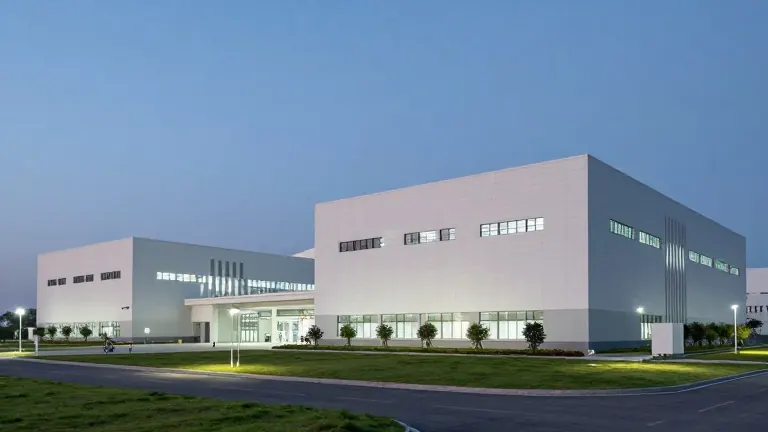
The company plans to prioritize the production of high-bandwidth memory chips, server DRAMs, and solid-state drives for AI servers. A substantial portion of this output will originate from the Taylor facility located roughly 40 miles northeast of Austin.
Samsung indicated that the Taylor plant is expected to begin operations by the end of 2026. While the company did not provide specific operational updates during its earnings call, it noted that the site will strengthen its global supply capabilities. Construction on the second factory in the Taylor complex is scheduled to start next month.
The Texas campus is designed to expand significantly, potentially accommodating up to 10 semiconductor factories. This investment is part of a wider strategy by South Korean tech firms to build manufacturing hubs and data centers. In June, Samsung and SK Hynix announced a joint plan to invest $599 billion in a new chipmaking hub in the country's southwest region.
South Korea's central bank has warned that the economy is becoming overly dependent on chip sales. Analysts have raised questions about whether the massive spending will yield sufficient returns if the AI market experiences a downturn.
Source: Austin American-Statesman