
New UT Dell Medicine system aims to triple patient capacity by 2030
A $750 million gift from the Michael and Susan Dell Foundation supports a new hospital and unified branding for the university's medical services.
By Arjun Tanaka ·
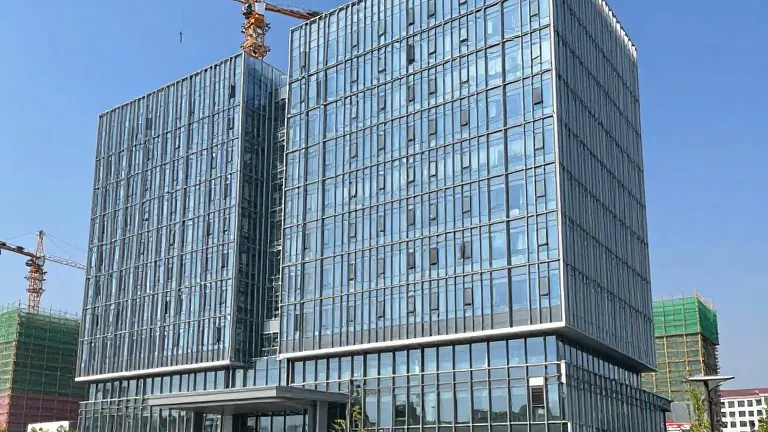
UT Austin is consolidating its medical assets under a single brand, UT Dell Medicine, a move designed to address rising healthcare demand in the growing Austin region. The restructuring unifies the existing Dell Medical School, the clinical practice formerly known as UT Health Austin, and a planned new hospital under one administrative umbrella. University officials stated that this integration will allow for a more coordinated approach to patient care compared to the fragmented system currently in place.
The initiative is anchored by a $750 million contribution from the Michael and Susan Dell Foundation. This funding supports the construction of the Dell Medical Center, a facility that university leaders described as the future cornerstone of the system. The hospital is scheduled to open in 2030. Once fully operational, the new center is expected to effectively triple the number of patients that the university's medical system can serve.
John Zerwas, chancellor of the UT System, highlighted the rarity of the opportunity to construct an academic health enterprise from the ground up. He noted at a Tuesday event that the new system is essential for preparing the university for mounting medical needs. The rebranding ensures that the name Dell is extended to all university medical facilities and services, creating a cohesive identity.
Dr. Claudia Lucchinetti, UT’s executive vice president for medical affairs and the leader of UT Dell Medicine, identified the new hospital as the anchor for the updated system. She outlined the specific medical capabilities that will be added to the current portfolio of clinics. While existing facilities already provide specialty care in orthopedics, gastroenterology, ophthalmology, pulmonology, and urology, the Dell Medical Center will introduce cardiovascular, cancer, neurological, and transplant care, along with advanced intensive care.
Lucchinetti addressed the logistical challenges patients currently face when managing complex conditions. She noted that individuals often receive care from multiple specialists working in different practices and organizations. This fragmentation leaves patients and their families to coordinate conflicting appointments and recommendations without a unified team. The new system aims to eliminate this burden by providing a coordinated care environment.
The hospital will also feature specific partnerships and technological integrations. It is set to collaborate with MD Anderson Cancer Center to provide advanced cancer care locally. Additionally, the facility will incorporate artificial intelligence and advanced computing technology to support prevention, diagnosis, and treatment efforts. These technological tools are intended to enhance the precision and efficiency of the medical services provided at the new center.
Source: KUT