Wilson urges Central Texas gardeners to plant in fall
Holly Wilson says mid-October is the ideal window to establish deep roots before summer droughts return.
By Alexei Petit ·
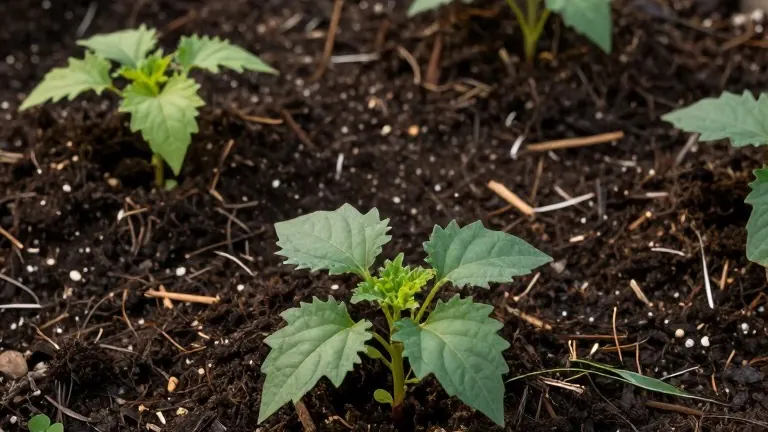
The optimal window for planting in Central Texas has arrived. From mid-October through the end of November, cooler temperatures and increased rainfall allow plants to develop larger, deeper root systems. This early establishment helps vegetation survive the intense heat and dry conditions that arrive in spring and summer. Wilson notes that plants established in fall require significantly less water to survive than those planted during warmer months.
Holly Wilson, a 40-year gardening veteran and instructor for the Native Plant Society of Texas, advises residents to prioritize native species over non-native exotics. She explains that 90% of native insects are specialists. These insects rely exclusively on native plants for food and nectar. Without native flora, these local species cannot survive, disrupting the local ecosystem. Wilson states that non-native plants do not support the local environment in the same way.
Beginners often make placement errors, Wilson warns. Many planters ignore the specific sun, shade, and soil requirements of a species. They also fail to research the mature size of the plant before purchasing it. Wilson recommends using integrated pest management instead of chemical sprays. This approach relies on cultural controls, such as proper watering and planting times, to prevent pest overpopulation. Natural predators, including lizards and frogs, help manage unwanted insects.
Soil health is central to Wilson's method. She mixes compost and vermicompost into the ground before planting to feed beneficial microorganisms. She advises against synthetic fertilizers, which she says can starve these microbes and make plants dependent on chemical inputs. For ongoing maintenance, she suggests gently mixing compost into the topsoil around established plants without disturbing the root ball.
Wilson cites a growing awareness of water scarcity as a driver for change. She observes that gardeners are increasingly recognizing the high water costs of non-native turf and exotic plants. She encourages residents to view their yards as balanced ecosystems rather than just ornamental displays. This shift in mindset supports both plant health and local wildlife.
For those overwhelmed by conflicting advice, Wilson suggests consulting the Native Plant Society of Texas website. The organization provides a database organized by eco-region. This tool helps gardeners select plants that are adapted to their specific local conditions. Wilson notes that 15% of adapted, non-native plants eventually become invasive, causing environmental and economic damage.
Source: Community Impact Austin