Strait Reopening: Iran Cuts Timeline to Two Days
Tehran proposes a rapid protocol for naval traffic and nuclear negotiations, while China dispatches an envoy to the Gulf and Yemeni displacement tops 300,000.
By Alexei Petit ·

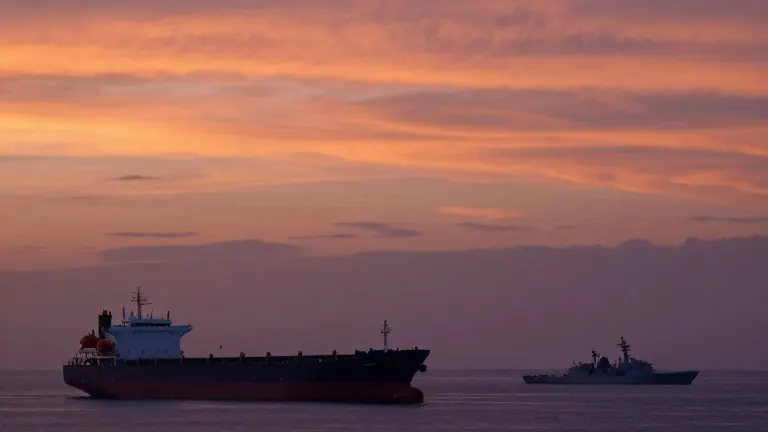
Iran announced on Monday that it has developed a two-day plan to reopen the Strait of Hormuz and resume nuclear talks with the United States. This timeline shortens the original seven-day window Tehran previously outlined for implementation. The Iranian Foreign Ministry stated the plan remains the basis for negotiations through mediators, provided Washington meets specific demands.
Foreign Ministry spokesperson Esmail Baghaei described the shortened timeline as evidence of a good-faith approach. He did not indicate that Tehran altered its seven core demands or that the U.S. had accepted the proposal. Iranian officials previously listed lifting the U.S. blockade of Iranian ports, removing sanctions on oil sales, and agreeing to a ceasefire including Lebanon as conditions for the deal. Ships transiting the strait under this new plan would follow a route agreed upon by Iran and Oman, traveling under Iranian supervision.
President Donald Trump has publicly oscillated between diplomatic outreach and threats of heavy bombing. Iran’s top diplomat said Sunday he hoped the U.S. would choose diplomacy over other paths. The region remains on alert for potential renewed conflict as these talks continue.
In Yemen, the U.N. migration agency reported that more than 300,000 people have fled renewed fighting. The Houthi-run health ministry said explosives hit a market in Taiz province, killing two children and one other person. Spokesperson Anees al-Asbahi blamed Saudi Arabia for the attack, which he said injured eight others. The International Organization for Migration noted that displaced families are moving south toward Aden, often with minimal belongings. Aid groups report limited access to those in need as the humanitarian situation worsens.
China said it will send a special envoy to Iran, Oman, and Saudi Arabia in early to mid-November. Foreign Ministry spokesperson Mao Ning stated the envoy will focus on easing tensions and promoting regional stability. Chinese President Xi Jinping told Oman’s Sultan Haitham bin Tariq Al Said on Monday that the Gulf should not become an arena for great-power rivalry. China relies on the region for a large share of its oil imports.
In the West Bank, the Israeli military concluded a sweeping operation in Hebron that began last month. The operation followed a shooting in which two Palestinian gunmen killed two Israeli soldiers. The military demolished the gunmen’s residences and confiscated weapons. Hundreds of displaced Palestinians began returning to their homes as Israeli forces withdrew. In Deir Bahha, residents reported damaged doors and shattered glass. One resident, Tamara Obei, said families fear bringing children home due to uncertainty about remaining explosives.
In southern Gaza, two Israeli airstrikes killed two men early Monday, according to Nasser Hospital. One victim died in his home, while the other died in a tent. The Israeli military did not respond to a request for comment. Major fighting between Israel and Hamas has largely halted under the October 2025 ceasefire. However, near-daily strikes continue. Gaza’s Health Ministry reported that 1,580 Palestinians have been killed since the ceasefire began, bringing the total death toll to more than 74,500.
Source: WXXV 25