
12% of Americans support keeping the twice-yearly time change
The clock resets to standard time Sunday at 2 a.m., a shift that most adults oppose despite health experts urging it.
By Alexei Petit ·
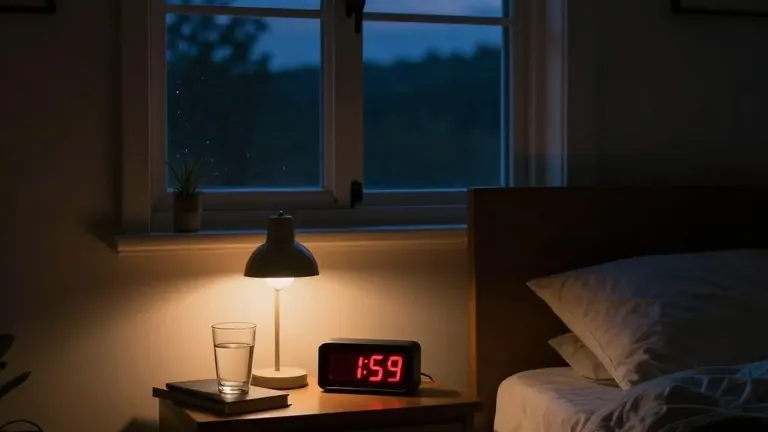
Americans lose an hour of evening daylight this weekend, a trade-off that most of the country dislikes. The clock moves back an hour at 2 a.m. local time on Sunday, November 1, ending the daylight saving period that began in March. While the change grants people an extra hour of sleep, it also means afternoons will end earlier.
Public opinion on the ritual is heavily negative. A poll conducted by AP-NORC last year found that only 12% of American adults were in favor of the time switch. Nearly half of respondents opposed it. When asked to choose, most Americans said they would keep the extra hour of daylight in the evening rather than the extra sleep in the morning.
Health organizations disagree with the public preference. The American Medical Association and the American Academy of Sleep Medicine have long recommended that the country adopt standard time year-round. They argue this aligns better with human circadian rhythms. Brighter mornings and darker evenings help regulate the body's internal clock, making it easier to maintain healthy sleep patterns.
The switch affects more than just sleep schedules. The circadian rhythm influences heart rate, blood pressure, and metabolism. Research links the spring time change, which is harder for many to tolerate, to increases in car crashes and heart attacks. The fall change can also worsen symptoms for people with seasonal affective disorder, a form of depression linked to shorter days.
Sleep deprivation remains a common issue in the United States. About one in three U.S. adults sleeps less than seven hours per night. More than half of U.S. teens get less than eight hours on weeknights. Chronic lack of sleep is associated with heart disease, cognitive decline, and obesity. Shift workers and those already struggling with sleep find the clock change particularly disruptive.
Lawmakers are currently weighing options to stop the annual ritual. The U.S. House of Representatives passed the Sunshine Protection Act in July, which would make daylight saving time permanent. President Donald Trump supports the measure and has pressured Senate opponents. He recently posted the phone number of Arkansas Senator Tom Cotton, a critic of the bill, on social media.
Until legislation passes, the U.S. will continue to switch clocks twice a year. Standard time will remain in effect until March 14, when the country will again spring forward. Hawaii and most of Arizona do not observe these changes and remain on standard time year-round.
Source: WXXV 25