Control of Congress: What the Final Two Years of the Trump Term Mean for the South
Voters in Texas and the South Central states decide which party holds the House and Senate, determining the pace of investigations, the 100-day agenda, and the field for 2028.
By Isabella Melnyk ·
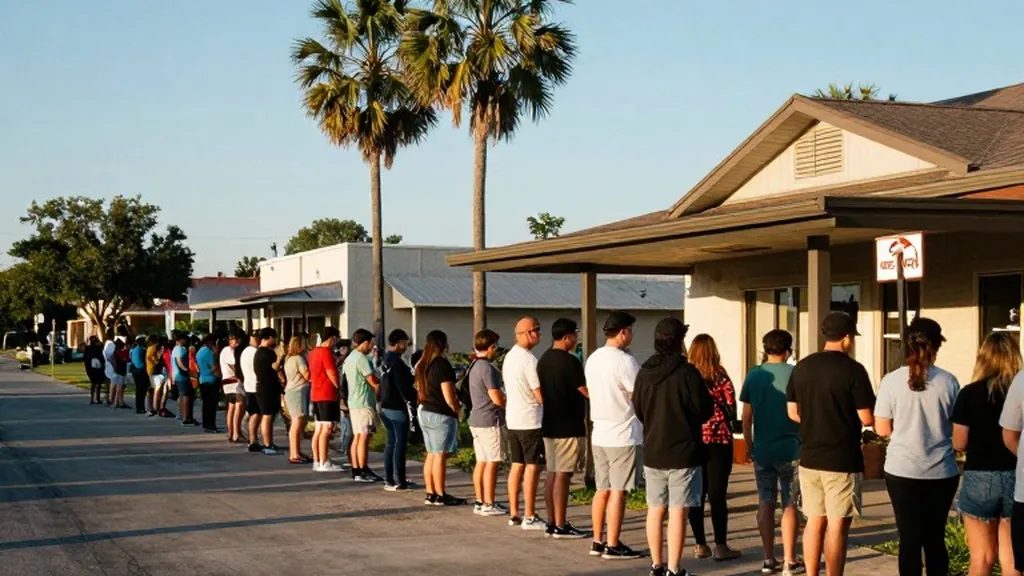
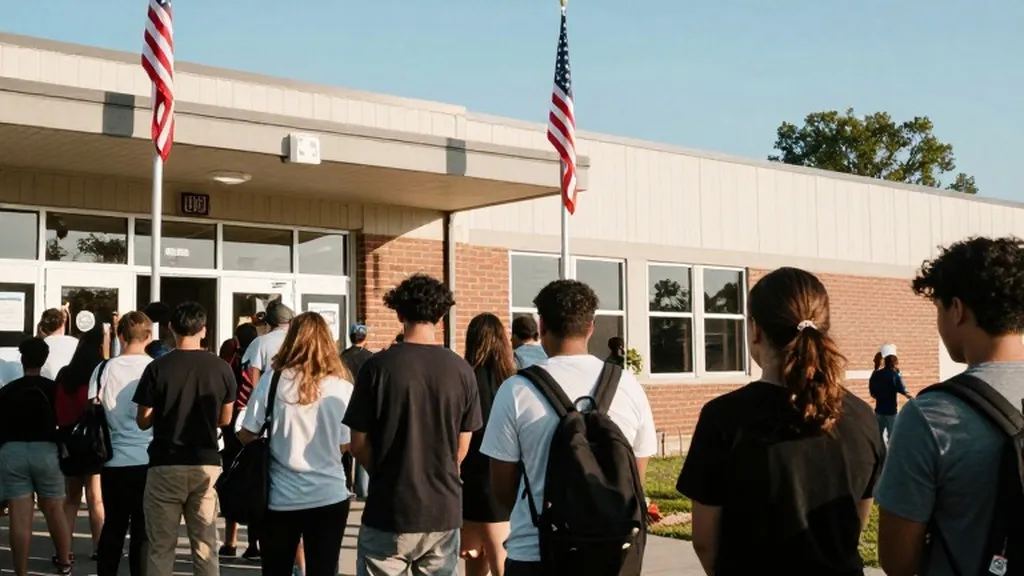
Polls are open across the South Central states as voters head to the polls on Election Day, Tuesday, November 3, 2026. In Texas, polls are open from 7 a.m. to 7 p.m., according to Ballotpedia, while in Oklahoma and Arkansas, polls open at 7 a.m. and 7:30 a.m. respectively, both closing at 7 p.m. Louisiana voters have a longer window, with polls open from 6 a.m. to 8 p.m. The stakes extend beyond state lines to the national stage, where the results will determine which party controls Congress for the final two years of President Donald Trump's second term.
The Associated Press describes the election as a referendum on the president's second term, noting that voters are struggling with high prices and are angry over an unpopular war with Iran. AP-NORC polling indicates that 35% of U.S. adults approve of Trump's job performance, while about seven in ten say the country is heading in the wrong direction. Republicans are bracing to lose the House and fighting to hold the Senate, with the AP noting that one or two seats could tip either chamber. Democrats, meanwhile, are described as cautiously optimistic.
In the U.S. House, all 435 seats are up for election. Republicans currently hold 218 seats and Democrats 214, with one independent and several vacancies. Democrats need a net gain of three districts to secure a majority, while Republicans can lose no more than two seats to maintain their current hold. Ballotpedia identifies 46 battleground districts, with 25 held by Democrats and 21 by Republicans. Texas is one of six states using new congressional maps after mid-decade redistricting, a move that may influence how these districts vote.
In the U.S. Senate, 35 seats are on the ballot, including 33 regular elections and two special elections to fill the terms of Marco Rubio and JD Vance. Republicans hold 53 seats and Democrats 45, with two independents caucusing with Democrats. Democrats need a net gain of four seats for a majority, while Republicans can lose only two. In Texas, the race is between Republican Attorney General Ken Paxton and Democrat James Talarico. The AP notes that Trump backed Paxton over incumbent Sen. John Cornyn in the primary. In Oklahoma and Arkansas, the Senate races are also open or involve incumbents, with Arkansas having incumbent Sen. Tom Cotton on the ballot.
Control of the House would directly impact the legislative agenda and oversight powers. If Democrats win the House, House Democratic Leader Hakeem Jeffries would become the first Black speaker of the House. Jeffries has outlined a 100-day agenda focused on the cost of living and oversight. Republicans argue that a unified government is necessary to push through their legislative priorities, while Democrats contend that a divided government allows for better checks and balances. The Associated Press notes that if Democrats win even one chamber, investigations and possible impeachment proceedings become likely.
The outcome of these elections will also shape the field for the 2028 presidential race. A strong Democratic night would boost potential candidates such as Gavin Newsom, JB Pritzker, and Pete Buttigieg. Conversely, it could complicate the path for Vice President JD Vance. Republicans have tried to beat the historical midterm pattern, where a president's party almost always loses seats, through redistricting efforts. However, the AP notes that new districts in Florida and elsewhere may not vote as drawn, adding uncertainty to the final tallies.
In the governor's races, 36 governorships are on the ballot. Republicans currently hold 26 governor's offices and Democrats 24. In Texas, incumbent Greg Abbott is running for re-election. In Arkansas, incumbent Sarah Huckabee Sanders is also on the ballot. Oklahoma has an open governor's race. Ballotpedia lists several battleground governor races, including Georgia, Nevada, and Ohio. Democrats hope to hold a majority of governorships for the first time in two decades, a goal that would signal a shift in state-level power.
Voters in the South Central states are weighing these national implications alongside local concerns. In Texas, the race for the Senate seat is particularly close, with the AP citing economic strain and tariffs as key factors. The Trump administration has filed a lawsuit in Alaska related to the certification of the Senate result, and Democrats fear interference and intimidation as the Justice Department threatens to prosecute local election officials. A federal judge temporarily barred the administration from carrying out a plan to prevent noncitizen voting, a move critics say risks disenfranchising eligible voters.
The Associated Press reports that the 2026 elections will likely be the most expensive in history. Republican committees outraised and outspent Democratic committees, helped by Trump-affiliated groups and Elon Musk. However, at the candidate level, Democrats outraised their opponents. Eighty-eight percent of Republican general election TV ad spending went to states and districts Trump won in 2024, including more than $850 million in areas where he won by 10 points or more. This spending strategy highlights the focus on holding onto key districts in states like Texas and the South Central region.
As polls close, voters in Texas, Oklahoma, Louisiana, and Arkansas will have cast their ballots. The results will determine the balance of power in Washington for the next two years, influencing everything from investigations and nominations to the 2028 presidential race. The Associated Press notes that more than 57 million people had already voted as of Monday, surpassing the early vote of four years ago in many closely watched states. The final tally will reveal whether the midterm pattern holds or if the South Central states play a decisive role in breaking the deadlock.