Midterm Math: How Texas and the South Central States Test the Historical Loss Pattern
With polls open across the region, both parties are deploying distinct strategies to counter the historical trend of the president's party losing seats in midterm elections.
By Alexei Petit ·
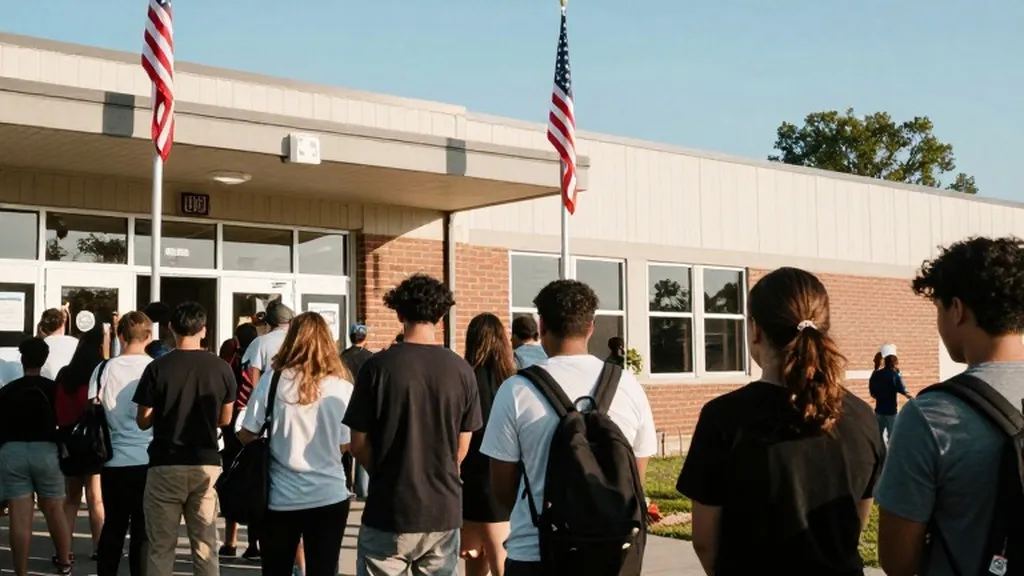
History suggests that the party holding the White House typically loses seats during midterm elections, a pattern that has occurred in most cycles since the early nineteenth century. As voters in Texas, Oklahoma, Louisiana, and Arkansas head to the polls on this Tuesday, November 3, 2026, political analysts and party leaders are closely watching whether this year will be an exception. The Associated Press describes the current election as a referendum on President Donald Trump's second term, with voters expressing frustration over high prices and an unpopular war with Iran. Both parties are aware that the outcome in the South Central states will be pivotal in determining whether the historical trend holds or breaks.
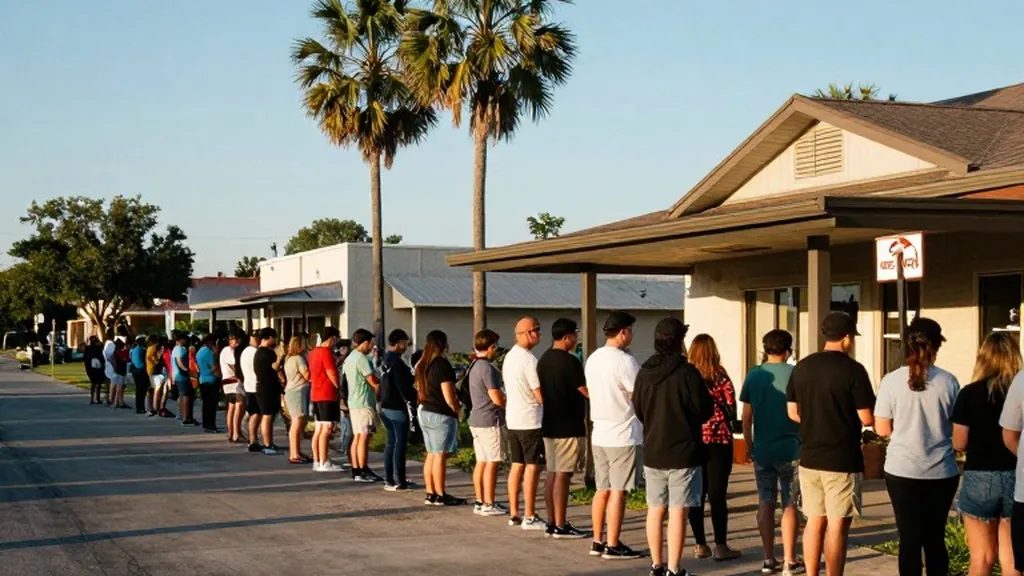
In Texas, polls are open from 7 a.m. to 7 p.m. local time, and the state is the site of a highly contested Senate race. The seat was previously held by John Cornyn, but the race is now between Republican Attorney General Ken Paxton and Democrat James Talarico. The Associated Press notes that President Trump backed Paxton over Cornyn in the primary, signaling strong party support for the Republican candidate. Texas is one of six states using new congressional maps following mid-decade redistricting, a move intended to help Republicans maintain their legislative advantage. However, experts caution that new districts do not always vote as drawn, and the state's shift in demographics continues to complicate the calculations for both parties.
Oklahoma also has polls open from 7 a.m. to 7 p.m., with voters deciding on an open Senate seat and an open governorship. The state is part of a broader regional focus where Republicans are bracing to lose the House but are fighting to hold the Senate. The Associated Press reports that one or two seats could tip either chamber, making every vote in these states crucial. In the governor's race, the lack of an incumbent provides an opportunity for Democrats to make gains, though Republicans have traditionally held strong footing in the region. The race is being watched as a bellwether for how well the Republican base will turn out in a year where the president is not on the ballot.
Louisiana offers a different administrative landscape, with polls open from 6 a.m. to 8 p.m. for Tuesday elections. The state has an open Senate seat but no governor race, as the governorship is not up for election this cycle. This allows Louisiana voters to focus their attention on the federal and state legislative races. The Associated Press notes that the state's voting patterns often align with the national trend, but local issues can sometimes drive different outcomes. The open Senate seat is considered a battleground, with both parties investing significant resources to win the state's electoral vote.
Arkansas has polls open from 7:30 a.m. to 7:30 p.m., and the state is deciding on the re-election of incumbent Senator Tom Cotton and Governor Sarah Huckabee Sanders. Both incumbents are seeking to retain their seats, a task that becomes more difficult in midterm years when the president's party often faces headwinds. The Associated Press highlights that Arkansas is a state where the Republican base is strong, but the presence of incumbents in both races means that any loss would be a significant setback for the party. Voters in the state are weighing their opinions on the national leadership against the local performance of their state leaders.
Both parties have employed specific strategies to counter the historical pattern of seat losses. Republicans have relied on redistricting in states like Texas to create more favorable districts, while Democrats have focused on turning out their base in key suburban areas. The Associated Press reports that more than 57 million people had already voted as of Monday, surpassing the early vote of four years ago in many closely watched states. This early voting surge is seen as a sign of high engagement, which can help either party depending on which demographics are more likely to vote early. The money spent on these elections is likely to be the most expensive in history, with Republican committees outraising and outspending their Democratic counterparts at the committee level, though Democrats have outraised their opponents at the candidate level.
The mood among voters is characterized by a mix of anger and caution. The Associated Press notes that about seven in ten Americans say the country is heading in the wrong direction, with most blaming the president for high prices. This sentiment is particularly acute in the South Central states, where economic strain and tariffs have made the races more competitive. In Texas, the race between Paxton and Talarico is being influenced by these economic concerns, with both candidates focusing on the cost of living in their campaigns. The Associated Press quotes voter James Moore, a librarian in Raleigh, North Carolina, who said, "I'm paying more taxes. I'm paying more for my healthcare. I'm paying more for everything." This sentiment is echoed by voters across the region, who are looking for relief from rising costs.
Republicans are trying to beat the midterm pattern by ensuring high turnout among their base. RNC Chairman Joe Gruters stated, "Everything depends on turnout. If we turn out our voters, we win, and that's what we've been planning for." This strategy involves leveraging the president's rallies and the support of Trump-affiliated groups, which have spent heavily in key states. In contrast, Democrats are "cautiously optimistic" and are focusing on their strength in suburban districts and the potential for flipping key seats in the Senate. DCCC Chair Rep. Suzan DelBene said, "The American people are angry. They want change." This message is resonating with voters who feel that the current administration has not delivered on its promises.