Texas and South Central Voters Weigh AI Costs, Debt, and Trade on Election Day
Investors and markets are closely monitoring outcomes in key Southern states to gauge the political risk landscape for technology spending and fiscal policy.
By Isabella Melnyk ·
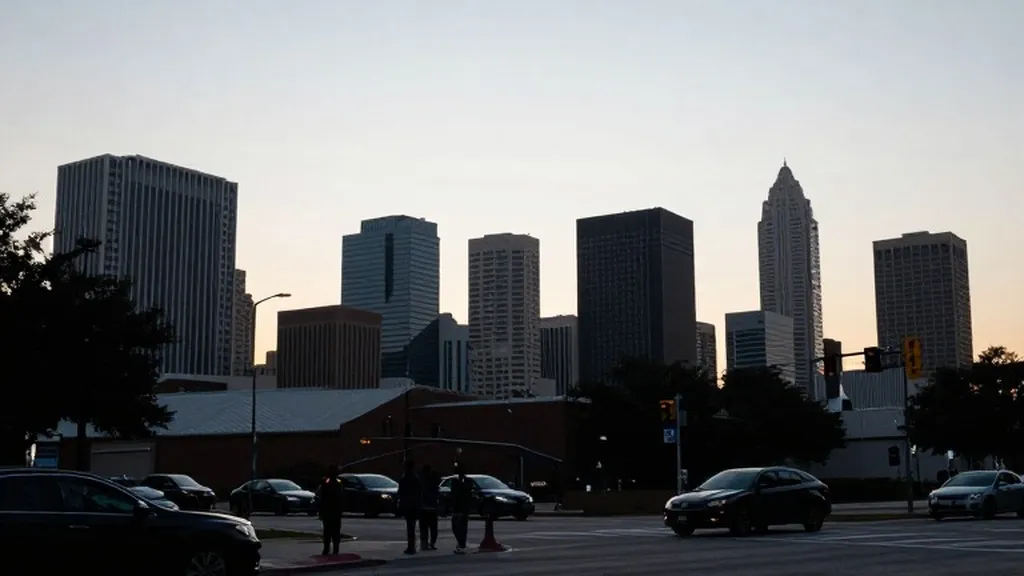
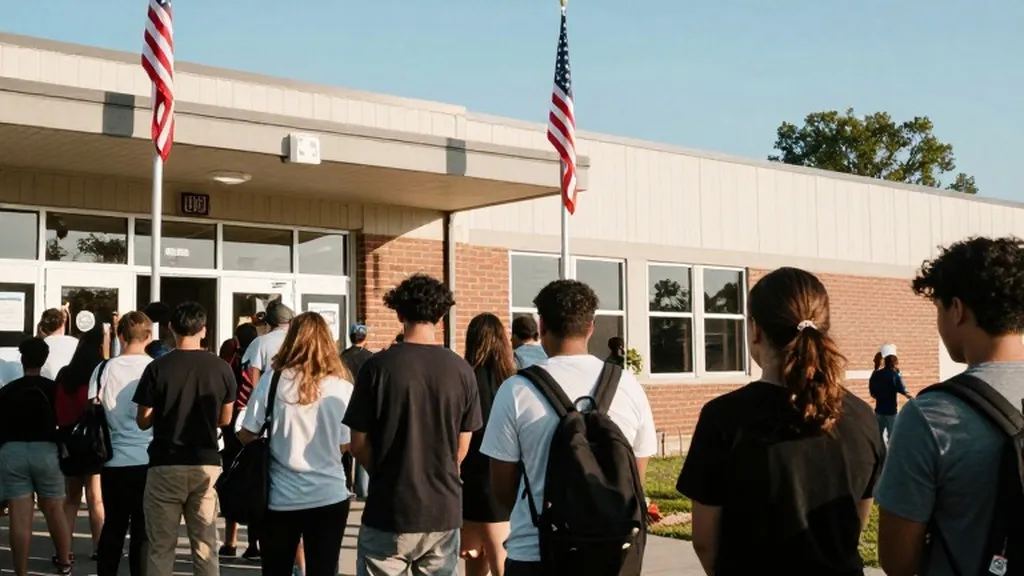
As polls open across the South Central region on this Tuesday, November 3, 2026, the focus extends far beyond statehouse corridors to the trading floors of Wall Street. According to Reuters, financial markets are watching this midterm election with particular intensity to assess how the control of Congress will influence investor confidence regarding artificial intelligence spending and debt ceiling negotiations. The outcome in states like Texas, Oklahoma, Louisiana, and Arkansas will serve as a critical indicator of the political environment facing the second half of President Donald Trump's term. These markets are evaluating whether a divided Congress or a unified executive branch will create stability or volatility for long-term capital projects in the tech sector.
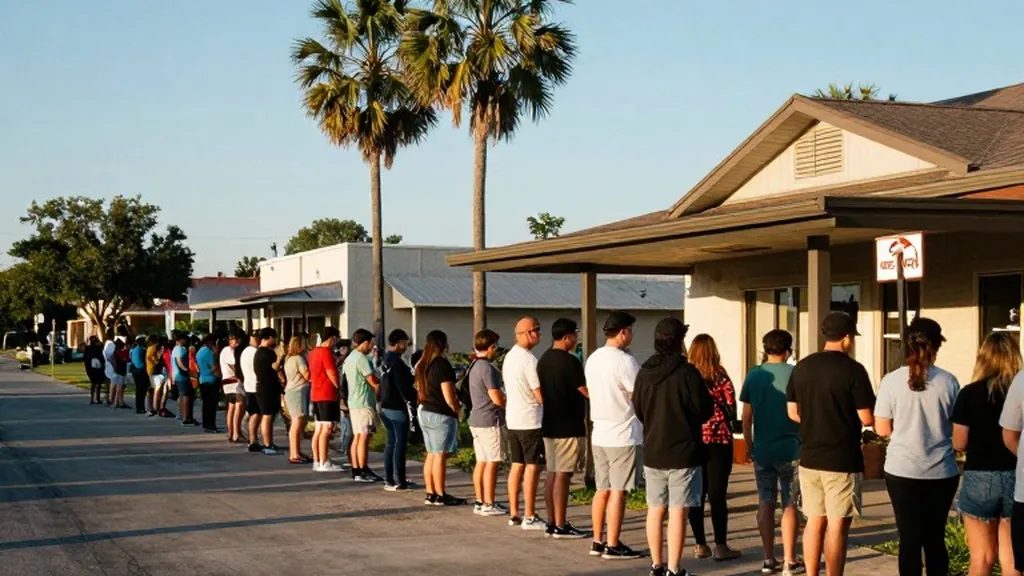
In Texas, voters are deciding the fate of an open Senate seat and the re-election of incumbent Governor Greg Abbott, with polls open from 7 a.m. to 7 p.m. local time. Ballotpedia notes that Texas is using a new congressional map following mid-decade redistricting, which adds a layer of complexity to the House races in the state. The Senate race features Republican Attorney General Ken Paxton, whom President Trump backed in the primary over incumbent Senator John Cornyn, against Democrat James Talarico. The Associated Press highlights that this race is part of a broader national contest where economic strain and tariffs are making several states more competitive than in previous cycles.
Meanwhile, in Oklahoma, polls are open from 7 a.m. to 7 p.m. as voters cast ballots for an open Senate seat and an open governorship. The state is part of a group where the outcome could tip the balance of power in the upper chamber. Reuters indicates that investors are particularly sensitive to signals from these regions regarding the administration's stance on trade policies. If the political alignment shifts significantly, it could impact the regulatory landscape for cross-border commerce and the flow of goods through Southern ports and logistics hubs.
In Louisiana, the election schedule is split, with polls open from 6 a.m. to 8 p.m. for Tuesday elections and 7 a.m. to 8 p.m. for Saturday elections. The state is deciding an open Senate seat, with no gubernatorial race on the ballot this cycle. The Associated Press notes that voters in these areas are struggling with high prices and are angry over an unpopular war with Iran. This sentiment is reflected in AP-NORC polling, which shows that about seven in ten U.S. adults say the country is heading in the wrong direction, a mood that is likely to influence how markets react to the final tally of seats in Congress.
Arkansas joins these states with polls open from 7:30 a.m. to 7:30 p.m. on Tuesday. The state is deciding the re-election of incumbent Senator Tom Cotton and Governor Sarah Huckabee Sanders. The Associated Press describes the election as a referendum on the president's second term, with many voters blaming him for high prices. The AP-NORC poll indicates that only 25 percent of adults approve of his handling of the economy, a metric that Wall Street analysts are tracking to predict the likelihood of aggressive fiscal stimulus or spending cuts in the coming years.
The debt ceiling remains a central concern for global markets as they await the results of these Southern elections. Reuters reports that the composition of the new Congress will determine the ease or difficulty of future fiscal negotiations. A unified party control of both chambers could streamline the process, while a divided government might lead to brinkmanship that rattles bond markets. Investors are also watching the AI spending narrative, as the political will to support massive infrastructure investments in data centers and energy grids depends heavily on the legislative makeup in 2027.
Trade policy is another focal point, with the South Central region playing a significant role in export and import volumes. The Associated Press notes that tariffs have contributed to economic strain in states like Maine and others, but the impact is felt in the logistics networks of Texas and Louisiana. Voters in these areas are weighing these costs against their views on national security and foreign policy. The results in these states will signal to trading partners the durability of the current administration's trade framework, which has already impacted global supply chains.
Allies of the United States are also monitoring these elections to understand the future direction of diplomatic and economic partnerships. The Associated Press notes that more than 57 million people had already voted as of Monday, surpassing early vote totals from four years ago in many closely watched states. This high level of participation suggests that voters are engaged with the major economic and geopolitical issues. The outcome in the South will help shape the U.S. approach to international agreements and the management of trade deficits with key partners.
Republican committees have outraised and outspent Democratic committees in this cycle, with 88.1 percent of Republican general election TV ad spending going to states and districts that President Trump won in 2024, according to AP analysis of AdImpact data. This spending pattern reflects a strategy to consolidate power in areas that are already favorable to the president's economic agenda. However, Democrats are cautiously optimistic about their chances in certain districts, hoping to leverage voter frustration over the cost of living to gain seats in the House.
The election administration has been marked by several legal challenges, including a federal judge temporarily barring the Trump administration from carrying out a plan to prevent noncitizen voting. Critics argue this risks disenfranchising eligible voters, while supporters see it as a necessary measure to ensure election integrity. The U.S. Postal Service has added hours and staff to ensure mail ballots are counted on time, a crucial step in a year where mail-in voting remains a significant component of the process. These administrative details are being watched closely by market analysts who understand that a smooth transition of power is essential for economic stability.