Democrats Capture Both Congressional Chambers in Midterm Sweep
Voters rejected Republican incumbents in key states, flipping the Senate and House while electing new governors in 36 states.
By Alexei Petit ·
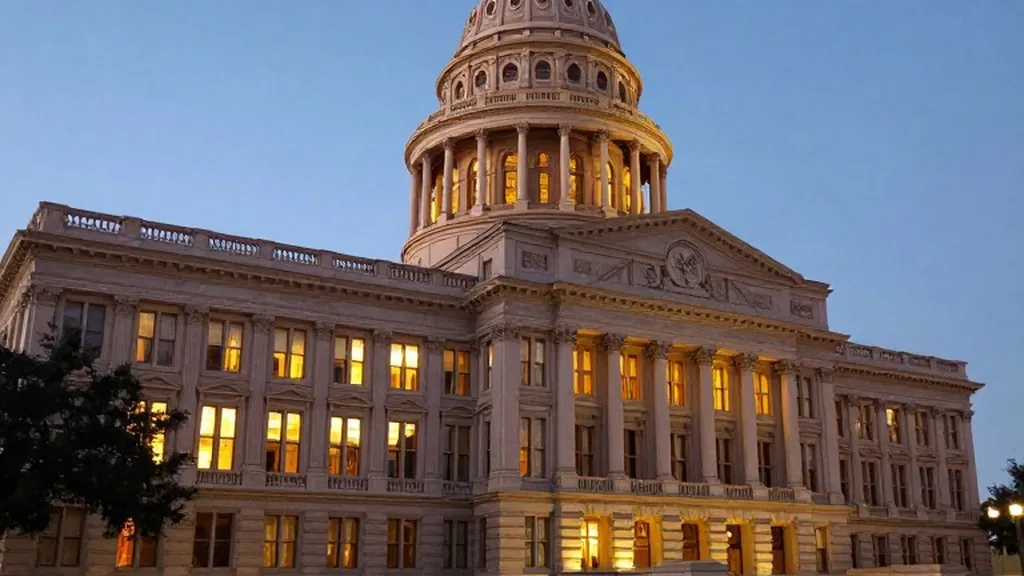
The 2026 midterm elections resulted in a complete transfer of power in Washington, with Democrats securing majority control of both the House and the Senate. This outcome marks the first time in the current administration that Republicans have lost their legislative majorities in both chambers simultaneously. The results reflect widespread voter dissatisfaction with the current direction of national policy.
Democratic candidates defeated Republican opponents in states that had consistently voted for the party of President Donald Trump for decades. In Texas, James Talarico defeated Attorney General Ken Paxton, ending a 30 year streak of Republican wins for statewide office. In South Carolina, Annie Andrews upset Senator Darline Graham, a race in which Trump actively campaigned for the Republican candidate. Other key flips included Josh Turek defeating Representative Ashley Hinson in Iowa and Adam Hamilton replacing Senator Roger Marshall in Kansas.
The election saw a shift in Senate leadership dynamics as well. Susan Collins, a longtime Republican senator from Maine, lost to Democrat Troy Jackson. Jackson has publicly accused Israel of committing genocide in Gaza and called for a reduction in US aid to the country. In Michigan, Abdul El-Sayed won an open seat to become the first Muslim senator, defeating Mike Rogers. El-Sayed, an Egyptian American, won despite Rogers describing him as a religious extremist during the campaign.
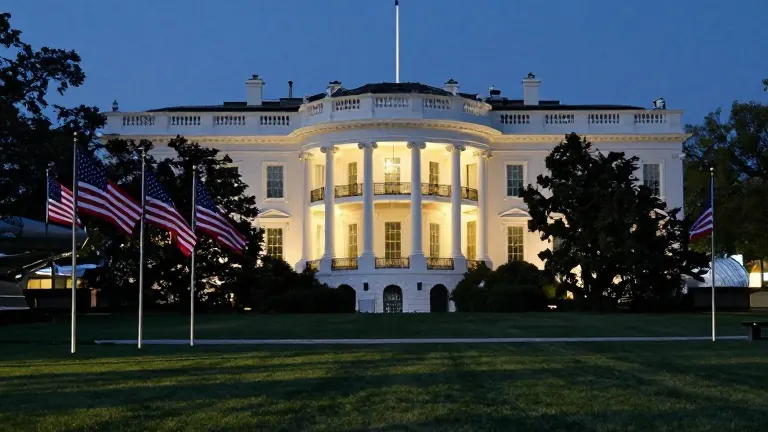
President Trump reacted to the losses by pointing to the candidates rather than his own administration. He posted on social media before polls closed on the West Coast that he was not on the ballot and claimed his party would have won in a landslide if he had been. In a subsequent interview on Fox News, he stated that voters did not like the Republican candidates and indicated he would accept the results. He promised to veto legislation passed by the new Democratic majority.
Leadership in Congress responded to the shift in power with plans for increased oversight. Senate Republican Leader John Thune warned that his party would not allow the Democratic socialist wing to reverse previous legislative achievements. Democratic Senate Leader Chuck Schumer described the results as a generational change in the Senate map. House Leader Hakeem Jeffries, who is expected to become the first Black speaker of the House, outlined a 100 day agenda focused on reducing the cost of living and conducting aggressive investigations.
The new congressional leadership has signaled intent to examine how the Trump family has enriched itself and to consider impeachment proceedings for administration officials. Defense Secretary Pete Hegseth and former adviser Elon Musk were identified as potential targets for these investigations. In the House, Democrats expanded their presence in states such as Iowa, Texas, Florida, and Pennsylvania. Iowa’s previously all-Republican delegation will now include three Democratic members.
The election also updated state leadership across the country. Thirty-six states held gubernatorial races, with Democrats retaining control in major states including Pennsylvania, Illinois, Maryland, California, and New York. In Texas, Gina Hinojosa defeated incumbent Governor Greg Abbott, who was seeking a fourth term. Keisha Lance Bottoms won the governorship in Georgia, becoming the first Black female governor in US history. In Florida, Byron Donalds was elected as the first Black Republican governor, while Amy Acton won the Ohio race against Vivek Ramaswamy.
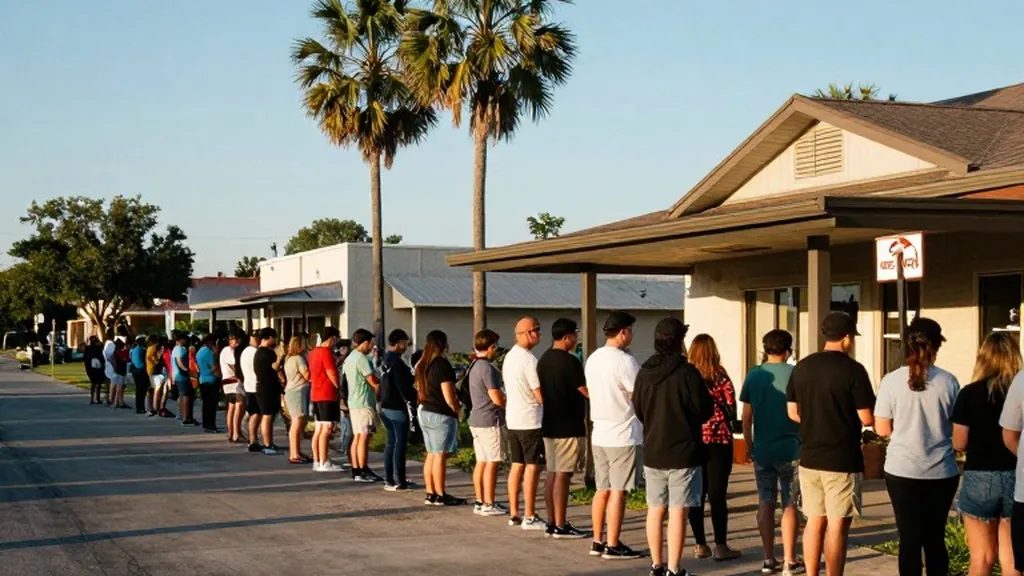
Voter sentiment heading into the election was dominated by economic concerns and frustration with the political establishment. A poll conducted by the Associated Press found that approximately three-quarters of voters described the economy as poor or not so good. Another three-quarters expressed anger or dissatisfaction with the country's trajectory. About half of those surveyed cited government corruption and the cost of living as the most important factors in their voting decisions. Senate races in Mississippi and Alaska remained undecided early Wednesday morning.
Source: The Times of Israel
More Politics · World news · Report a business · Got a Story?