Pakistan Reopens Border with Iran Amid LPG Shortage and Paperwork Disputes
Trade partially resumed at the Gabd-Rimdan and Taftan crossings after a nine-day halt, but bureaucratic hurdles and security concerns remain.
By Arjun Tanaka ·

One hundred and thirty-one armed attacks were recorded in Balochistan province in September, accounting for the majority of the 225 incidents nationwide that month. The province’s elevated security profile led Pakistan’s government to suspend cargo traffic at the Gabd-Rimdan and Taftan border crossings with Iran on October 17. Officials cited deteriorating conditions and specific threats to logistics as primary reasons for the halt.
Commercial activity began to restart on Monday, according to local industry leaders. Mir Naveed Jan Kalmati, president of the Gwadar Chamber of Commerce and Industry, stated that trade had partially resumed over the weekend. Haji Noor Muhammad Shahwani, central president of the Balochistan Goods Truck Owners Association, confirmed from Quetta that Pakistani exports, including rice, potatoes, and bananas, were crossing the frontier. He noted that Iranian trucks loaded with liquefied petroleum gas before the suspension were also entering Pakistan, though the process remained slow.
The initial closure created immediate economic strain in Pakistan, which relies heavily on Middle Eastern energy imports. The stoppage of Iranian LPG flows caused severe shortages and price spikes. Rizwan Ahmed, a customs clearing agent near the Gabd-Rimdan crossing, said authorities instructed agents to file declarations for stranded vehicles to release them. Ahmed described his own shipment of exports leaving the crossing, noting that customs had given the go-ahead to bring in as much cargo as possible, though he could not confirm if this applied to goods loaded after October 16.
Iran has disputed the pace of the reopening, blaming procedural changes in Pakistan’s import documentation system. Reza Amiri Moghadam, Iran’s ambassador to Pakistan, wrote on X that changes in the implementation of the E-Form procedure have left traders unable to dispatch cargo. The E-Form, or EIF, is used to record imports and track payments through banks. A memorandum from Pakistan’s Ministry of Commerce dated October 16 withdrew a previous waiver on this requirement, a move that took effect immediately.
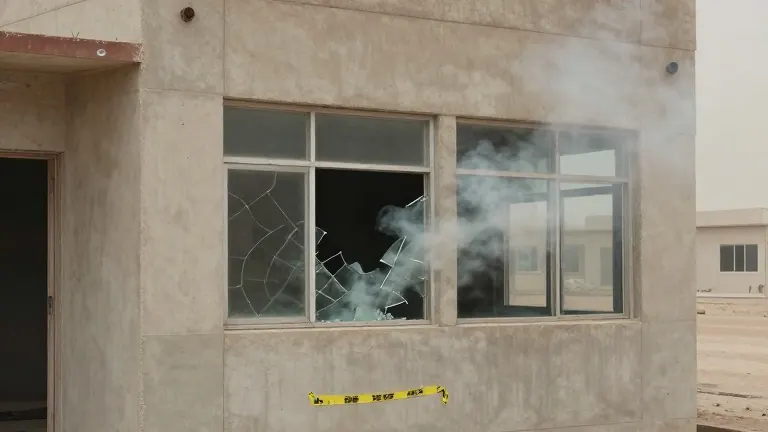
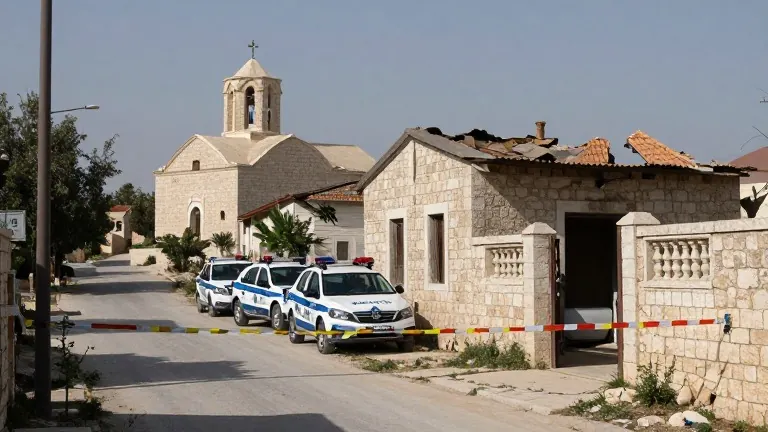
Security operations accompanied the border dispute. On Thursday, gunmen attacked trucks waiting near the Gabd crossing. The military reported killing 10 attackers in operations around Gabd and Gwadar city, while one civilian died. Bakhtiar Ismail, deputy commissioner of Chagai, described the closure as a temporary measure to support counterterrorism efforts. The incident occurred in a region that has faced a separatist rebellion for decades.
Pakistan’s Ministry of Foreign Affairs addressed the situation at its weekly briefing on Friday. Spokesman Sajjad Haider Khan stated that Pakistan adheres to all applicable sanctions regimes in accordance with international and domestic laws. He said he did not have direct knowledge of the ground situation and did not confirm whether the United States had pressured Pakistan to close the border. The Ministry of Commerce did not respond to requests for comment.
Security analyst Imtiaz Baloch assessed that the closure involved multiple factors, including security, technical glitches, and banking systems. He noted that the US policy of maximum pressure on Iran likely had a direct or indirect influence, though no official statement linked the border closure to American economic policy. The US has maintained a naval blockade on Iranian ports and imposed wide-ranging sanctions since the start of the war on February 28.
Source: Al Jazeera