Trump stumps in Mississippi as midterms loom
Polls show Republican seats in jeopardy amid high costs and new conflict with Iran.
By Arjun Tanaka ·
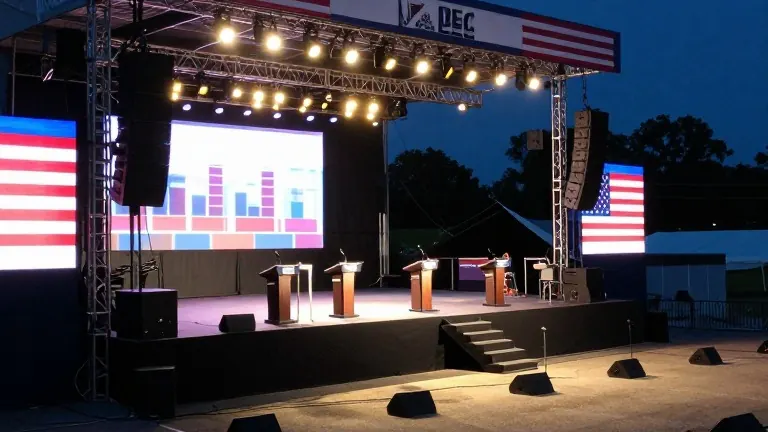
Republican midterm prospects have deteriorated sharply in the final days before the November election, with the president forced to campaign in historically safe territory to protect vulnerable Senate races. The situation reflects a broader shift in the political map where the Deep South, long considered a Democratic graveyard, is now a primary battlefield for the GOP.
The timeline of this political shift began with the return of Donald Trump to the White House. His administration immediately implemented a tariff scheme that raised the price of essential goods. The New York Fed later confirmed that these tariffs drove inflation and that prices would have fallen without them. This move reversed the declining inflation trends seen during the latter part of the previous administration, eroding the economic strength that had helped secure a second term for the president.
The economic pressure intensified following a joint American and Israeli strike that killed Iran's Supreme Leader. This conflict caused gas prices to spike to a record high for this time of year. The war also created a contradiction with a core campaign promise to avoid starting new "forever" wars. The prolonged nature of the conflict has led to high-profile departures from the MAGA base, including media figures Tucker Carlson, Megyn Kelly, and former Georgia Congresswoman Marjorie Taylor Greene.
According to RealClearPolitics polling averages, the Republican approval rating sits at approximately 40%. Meanwhile, about 60% of Americans believe the country is heading in the wrong direction. The polling data indicates that the Republican majority in the House is in trouble. The Georgia Senate seat, previously a potential flip, is now out of reach for the party. Republican-held seats in Texas, Iowa, Maine, Alaska, Ohio, and Kansas are also showing high vulnerability.
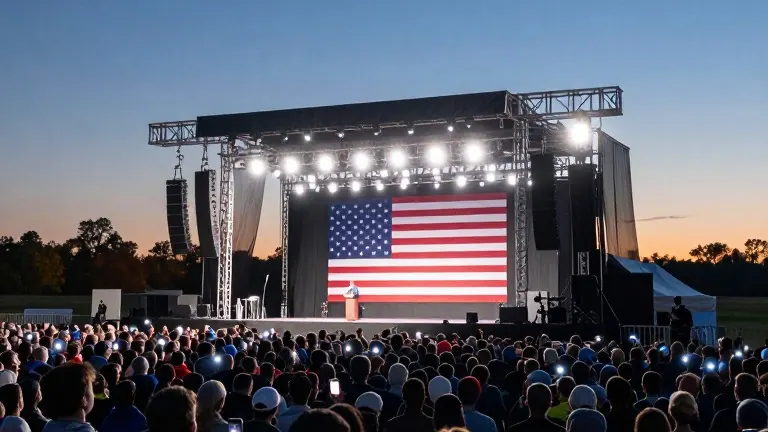
In response to these numbers, President Trump has scheduled campaign stops in several at-risk states. This week, he traveled to Mississippi to support Senator Cindy Hyde-Smith. The state gave Trump nearly 61% of the vote in 2024 and has not elected a Democratic senator since 1996. However, the race has become moderately competitive, prompting the president to intervene directly.
"I'm here because Cindy's doing great, but I just got to make sure. I can't take a chance," Trump said during his stop in the state. Other scheduled stops include Texas, Montana, Iowa, Alaska, Ohio, and Kansas. These locations correspond directly with the Senate seats currently identified as vulnerable in the polling averages.
The administration has also pursued other initiatives that critics say distract from the top issue of affordability. The president has pushed for renaming various geographic and institutional entities. These changes include calling artificial intelligence "super intelligence," changing the Department of Defense to the Department of War, and renaming the Gulf of Mexico to the Gulf of America. Other proposed changes include naming New Mexico "New America," the Atlantic Ocean the "American Ocean," and Lake Ontario "Lake America." Polls consistently show affordability as the primary concern for voters, yet these naming efforts consume significant campaign time.
The Republican strategy also relies on portraying Democrats as Marxist, a claim complicated by the Trump administration's financial actions. The administration has taken an equity stake in at least 40 American companies. Ohio Senator John Husted introduced legislation to limit these government equity stakes to a maximum of eight years. Despite this legislative move, the party has faced criticism for not asserting its constitutional role as a check on executive power during the last two years.
Source: Pasadena Star-News