Trump's Shadow Looms Over Texas and Southern Midterm Contests
With polls open in key states, the former president’s rallies and disputed claims about fraud shape voter sentiment in the South Central region.
By Isabella Melnyk ·
In the heart of the South Central states, the November 3 midterms are unfolding against a backdrop dominated by the presence of President Donald Trump. For voters in Texas, Oklahoma, Louisiana, and Arkansas, the day is not just about choosing representatives for Congress and statehouses but also about assessing the direction of the nation under a second term that is already showing signs of strain. The Associated Press describes the election as a referendum on the administration, with many citizens expressing frustration over high prices and an unpopular conflict with Iran. This mood has created a tense atmosphere in states where the presidential margin is significant but the legislative races remain fiercely competitive.
Polling data from the AP-NORC survey indicates that only 35 percent of U.S. adults approve of the president’s job performance, while just 25 percent approve of his handling of the economy. Approximately seven in ten Americans say the country is heading in the wrong direction, with most blaming the president for rising costs. These numbers have cast a long shadow over Republican candidates in the South, many of whom have tried to maintain a careful distance from the White House while still courting his approval. In Texas, for instance, the Senate race features Republican Attorney General Ken Paxton, whom Trump backed over incumbent John Cornyn in the primary, against Democrat James Talarico. The dynamic highlights the internal tension within the party as candidates navigate the gap between presidential popularity and local voter concerns.
The president’s active role in the campaign has been marked by dozens of rallies, including a recent stop in Salina, Kansas, where he urged voters to pretend he was on the ballot. His schedule in recent weeks included stops in Mississippi, South Carolina, and Texas, areas that are crucial to the national tally. Despite this energetic tour, the approval numbers suggest a divided electorate. In states like Oklahoma, where polls open at 7 a.m. and close at 7 p.m., voters are weighing the national mood against local issues. The open seat for governor in Oklahoma adds another layer of complexity, as candidates must define their own platforms without the heavy influence of an incumbent to lean on or against.
In Louisiana, where polls are open from 6 a.m. to 8 p.m. for Tuesday elections, the focus is on the open Senate seat. The state’s voters are part of a broader regional trend where economic strain and tariffs are making traditionally red areas more competitive. The Associated Press notes that economic pressure has made states like Maine and parts of the South pivotal in the fight for Senate control. In Arkansas, where polls open at 7:30 a.m. and close at 7:30 p.m., incumbent Senator Tom Cotton and Governor Sarah Huckabee Sanders are seeking re-election in a state that voted heavily for Trump in 2024. The challenge for incumbents is to translate presidential loyalty into legislative wins while addressing the cost of living that has become a top priority for many households.
False claims about voting fraud have also played a significant role in shaping the election narrative. The president has continued to assert that noncitizens vote in large numbers, a claim that has led his administration to file lawsuits in states like Alaska and California. In the South Central region, these legal battles have raised fears among Democrats about potential interference and intimidation, particularly as the Justice Department threatens to prosecute local election officials. A federal judge temporarily barred the administration from carrying out a plan to prevent noncitizen voting, a move critics say risks disenfranchising eligible voters. This legal uncertainty has added a layer of anxiety for election administrators in states like Texas and Georgia, who are working to ensure smooth operations on election day.
The financial stakes of the election are unprecedented, with the 2026 contests expected to be the most expensive in history. Republican committees have outraised and outspent their Democratic counterparts, aided by Trump-affiliated groups and significant contributions from Elon Musk. However, at the candidate level, Democrats have managed to outraise their opponents. Analysis of AdImpact data by the Associated Press shows that 88.1 percent of Republican general election TV ad spending went to states and districts that Trump won in 2024. This targeted spending strategy reflects the belief that holding the president’s base is essential for maintaining control of Congress, even if it means competing in districts where the margin of victory was substantial.
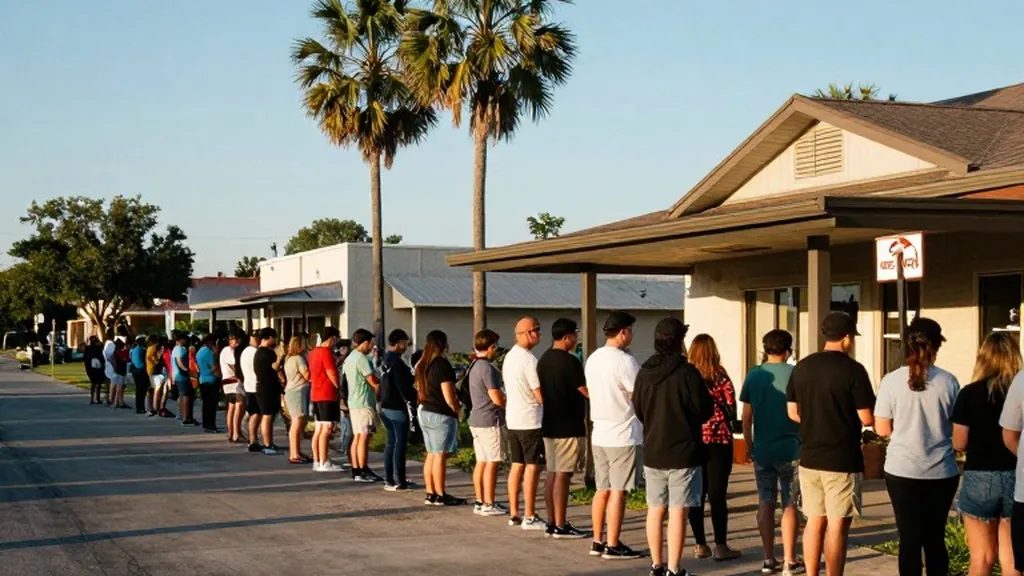
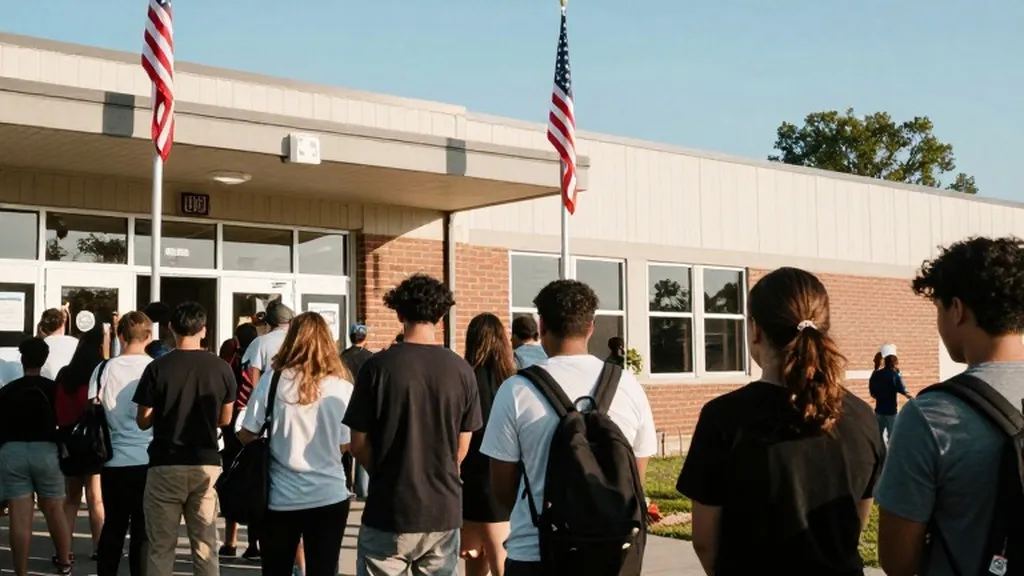
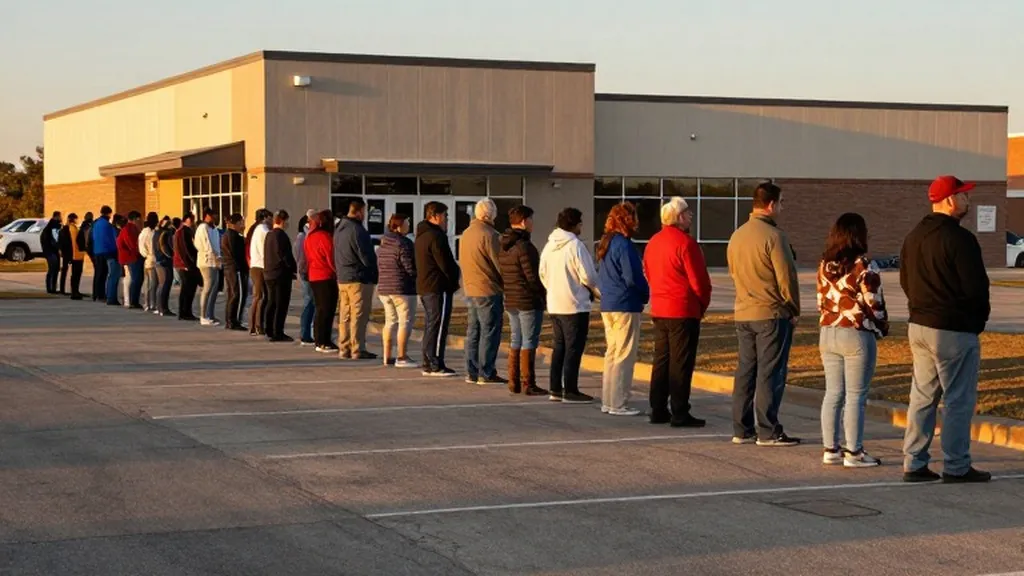
As voters line up at polling places across the region, the stakes for the nation’s legislative balance are clear. Republicans hold 53 Senate seats and 218 House seats, but they can lose only two Senate seats and two House seats to avoid ceding control of either chamber. Democrats need a net gain of four Senate seats and three House seats to achieve a majority. In Texas, the new congressional map following mid-decade redistricting adds a variable to the equation, as districts are redrawn in a state that was already competitive. The AP notes that Republicans were bracing to lose the House while fighting to hold the Senate, and that one or two seats could tip the balance in either chamber.
The mood on the ground is a mix of caution and optimism for both parties. RNC Chairman Joe Gruters emphasized that everything depends on turnout, stating that if Republicans turn out their voters, they will win. In contrast, DCCC Chair Rep. Suzan DelBene said the American people are angry and want change. These sentiments are echoed by voters in the region, who are grappling with the high costs of healthcare, taxes, and everyday goods. The election is not just a test of the president’s popularity but also of his party’s ability to deliver on its promises in a time of economic uncertainty.